

“A classic is a book that has never finished saying what it has to say.”
-Italo Calvino, The Uses of Literature
Here’s a game I’ve reviewed as many times as Nintendo has re-released it! In my 10 years of games writing, I’ve probably given about half that many 10 out of 10s. Why? The highest possible score in any given scoring system should be rare. If it isn’t, it forms the new average score. An average score should be in the middle of a pool of subjects, not at its extreme end. In other words, if 90 games out of 100 were 10 out of 10s, then on a 10-point scale they should be nearer the middle.
I understand that may fly in the face of those who think of all scoring systems in terms of school grades. In short, 10/10 means everything within this singular context is “perfect”. We’re using the Aristotelian concept of perfection. You may be anxious about me using the word “perfection” but perhaps it’s easier to stomach using words like completeness or wholeness.
You may have a preconceived bias against using the word perfect about a creative work, but have you thought about using the word complete instead? Complete in this context would mean that Super Mario Bros. 3 has everything that it technically and rationally needs to be as competent, efficient, and consumable as a piece of commercial entertainment in 1990 for the Nintendo Entertainment System could possibly be.
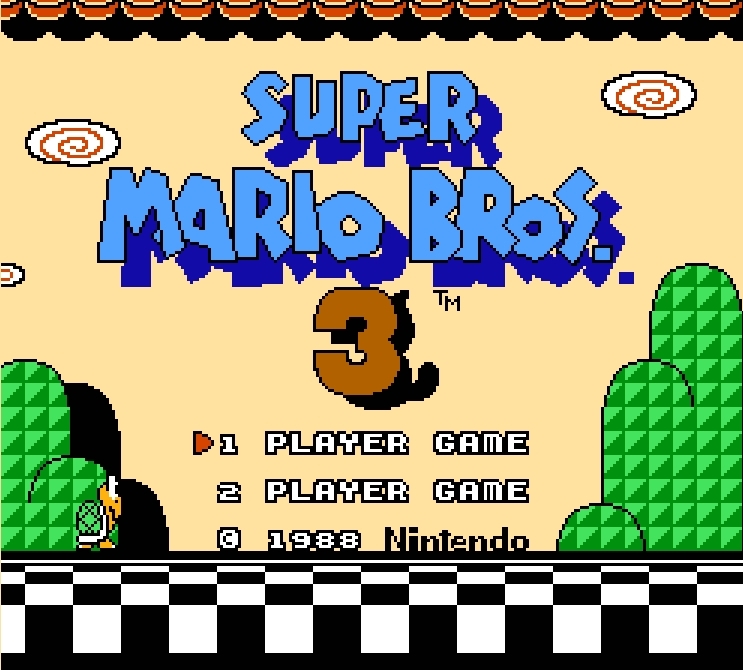
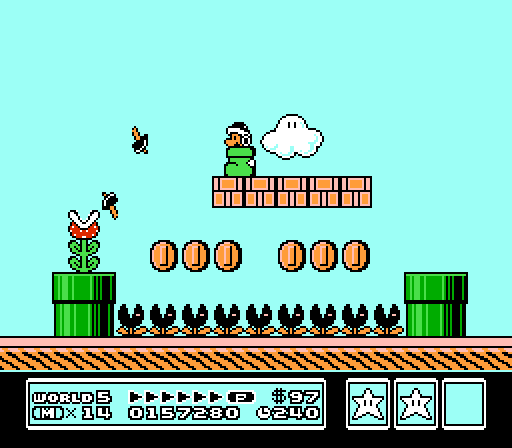
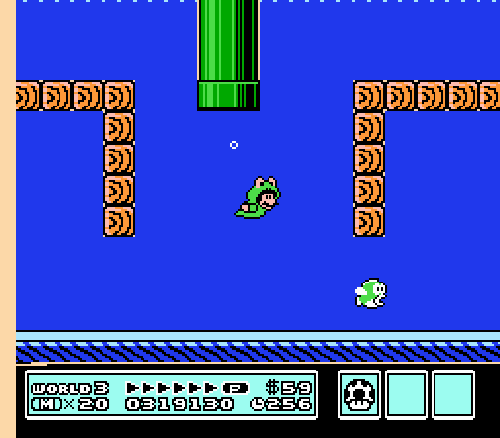
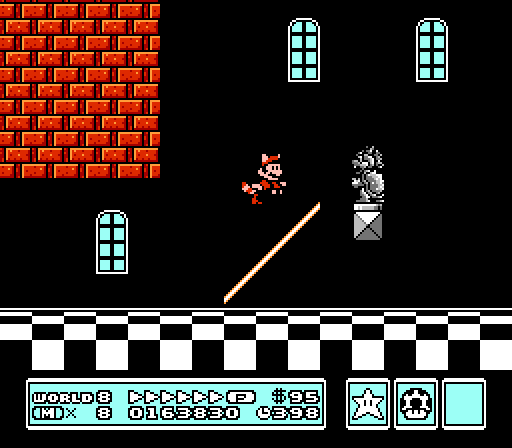
That technological strata of an NES game are as important to this notion of completeness as ever. I am sometimes asked if retro games should be scaled down in terms of their final score because comparing NES graphics to PS5 graphics is ludicrous. I never dispatch with context so easily. Why would I criticize Super Mario Bros. 3 on the NES for not being a PS5 game when it couldn’t possibly have been one? There was no PS5 in the 1980s.
In this vein, perfection or completeness is that to which nothing could reasonably be added or subtracted without doing damage.
Super Mario Bros. 3 takes its rightful place among my (small) handful of 10/10s as the ultimate NES evolution of the plumber who saved an industry. It refined the 2D Super Mario platforming concept in a way its predecessors did not. It laid the groundwork for its successor in Super Mario World. It’s no wonder it can be so difficult to sort out which of these two games is the superior.
A classic is that which has never finished saying what it has to say. Super Mario Bros. 3 reminds us games are about PLAY first and foremost, forever. If it’s not fun, why bother? In a game and with a character that is seemingly themed entirely around play (since Super Mario Bros. 3 is of course about its characters putting on a play), fun has been had, not just in 1990 but still to this day. Super Mario Bros. 3 continues to delight new players with the joy of flight. You will still believe a man can fly.


 The-Pixels
Leave a reply to the Well-Red Mage Cancel reply